The agentic GRC tool for ISMS, risk management and compliance
KaitoSec makes compliance simpler, faster and more affordable forWord rotation pauses on focus or touch.information security, business continuity, data protection, supplier and AI management.

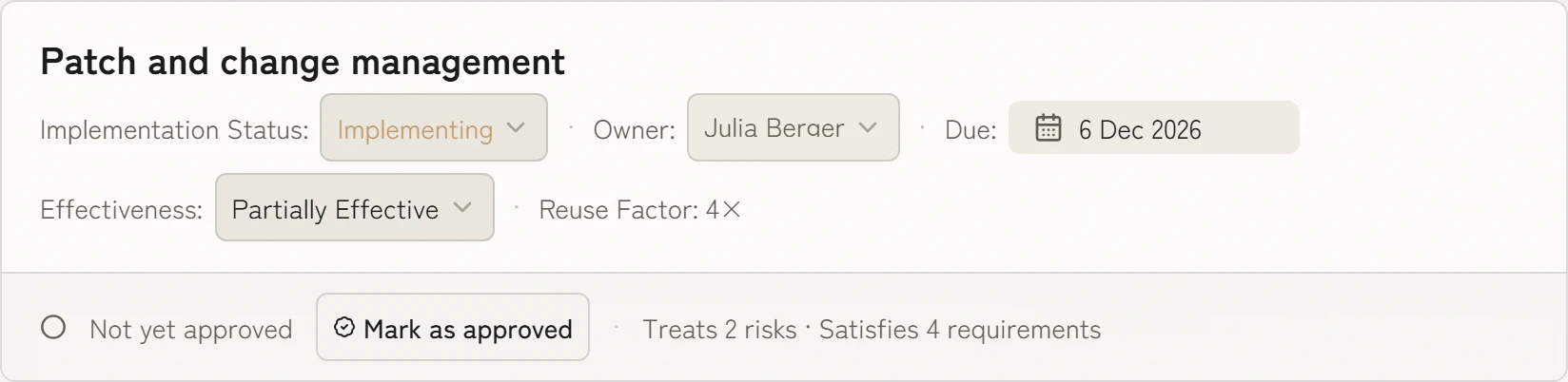
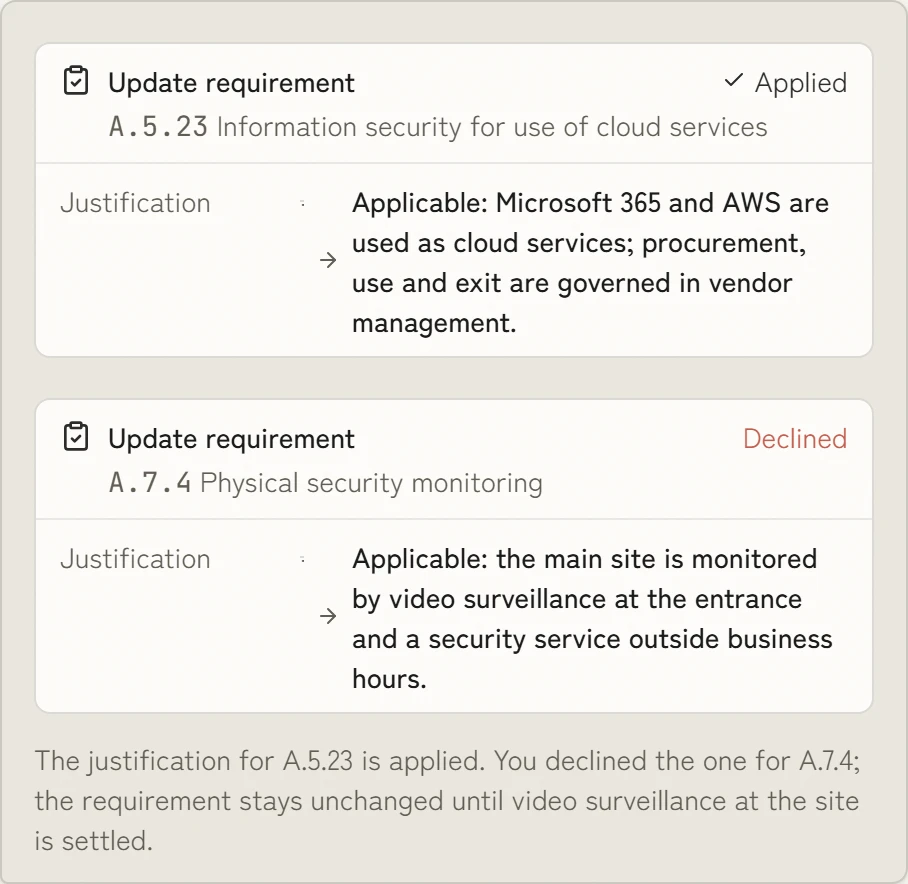
KaitoSec imports the asset list and Entra ID, maps the patch management control to ISO 27001, NIS2, DORA and SOC 2, reassesses a ransomware risk, drafts a policy for a person to approve and assembles the audit pack. At the end the organisation is ready for the audit.
 5.0 out of 5
Customers who trust KaitoSec
- AKS Betriebsmedizin
Platform
One system for everything that gets audited.
Risks, contingency plans, suppliers and policies hang on the same controls and evidence. What you maintain in one place is current everywhere.
- Compliance mapping
Every control counts for every standard.
You implement a control once and evidence it once. KaitoSec credits it to ISO 27001, NIS2, DORA and every further standard, so the second mapping in a spreadsheet goes away.
See the module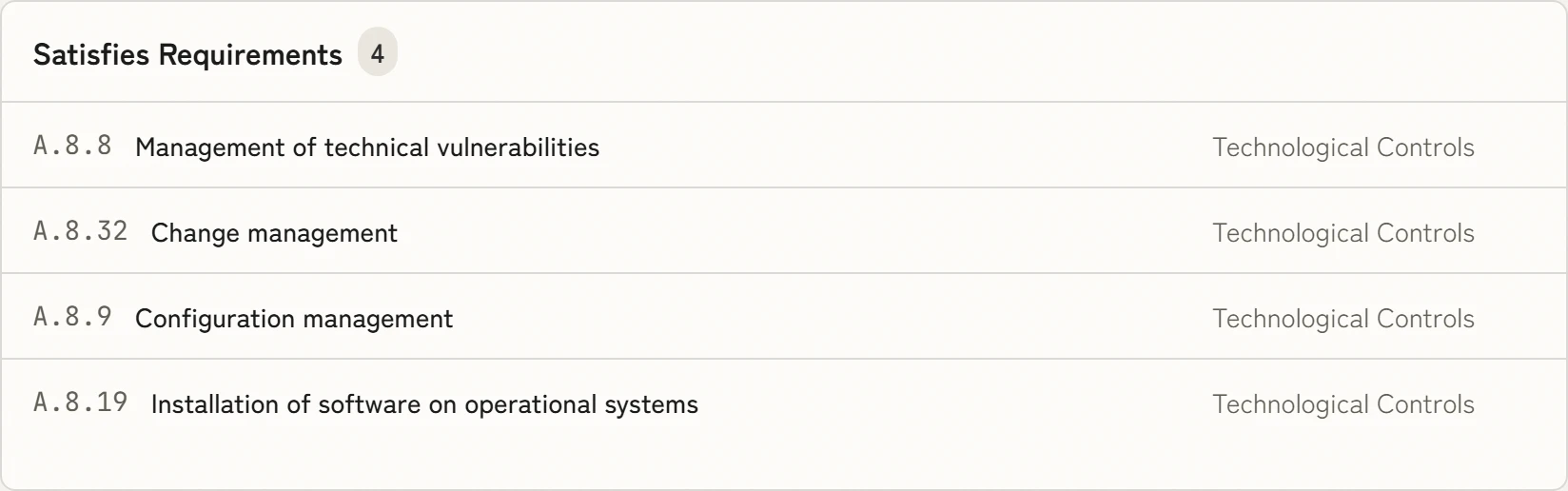
- Risk management
The risk analysis is drafted before you start.
KaitoSec derives risks from your assets, threats and open requirements and scores them in advance. You confirm or adjust, and the matrix shows what comes first.
See the module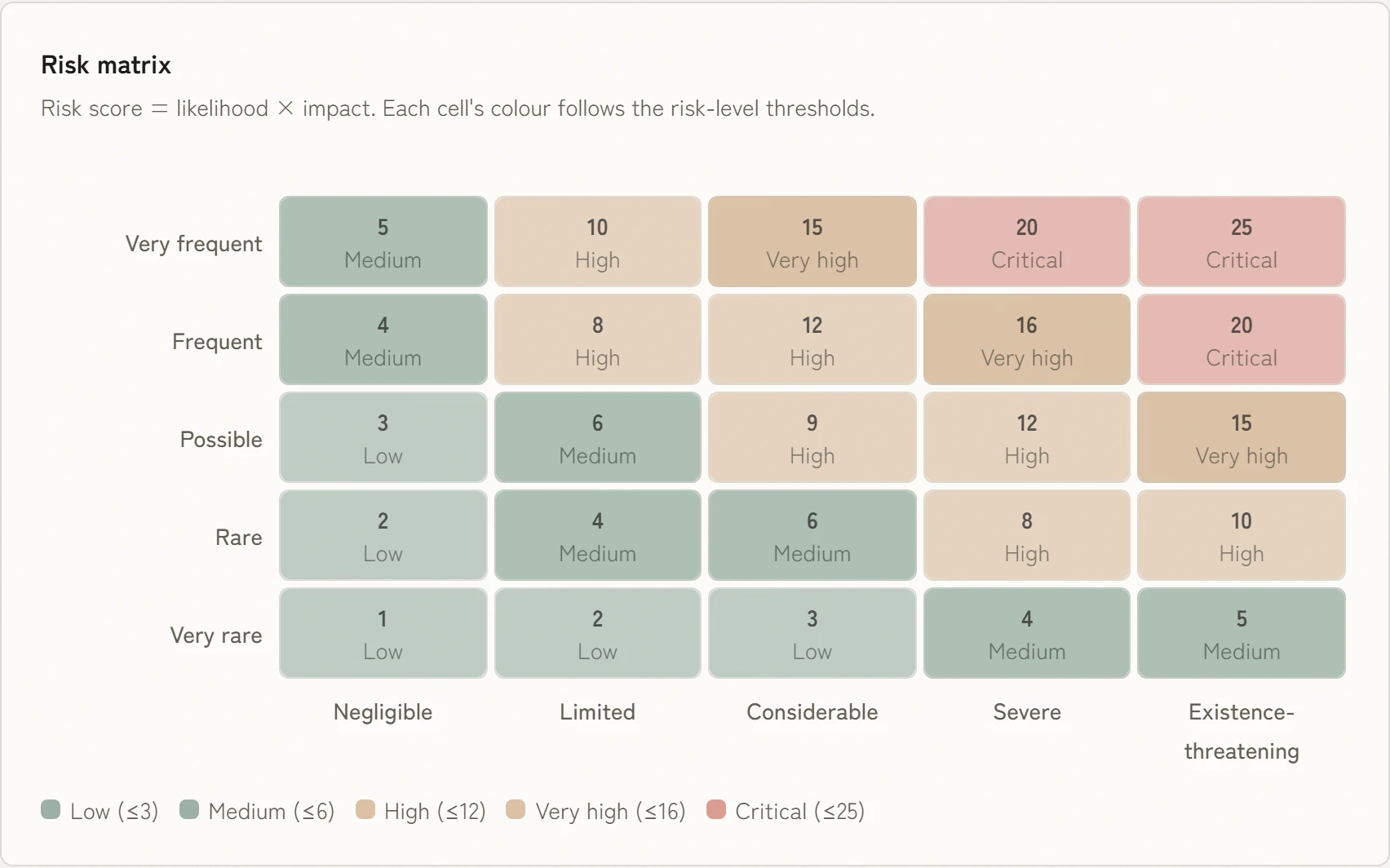
- Business continuity
The emergency plan comes from data you already have.
You keep processes, dependencies and recovery times anyway. KaitoSec turns them into emergency cards with trigger and first steps, as a one-pager to print.
See the module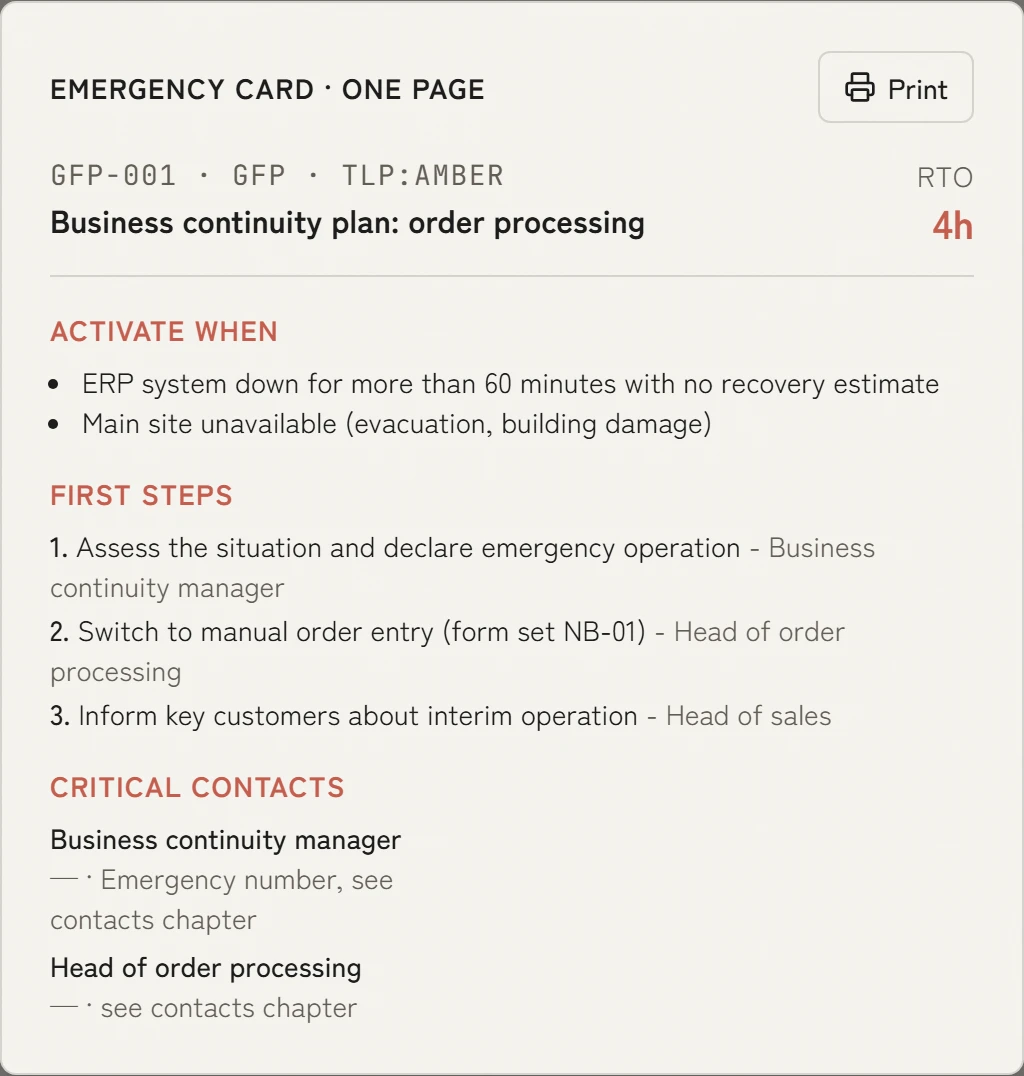
- Vendor management
Assess suppliers without chasing questionnaires by email.
You send ready-made questionnaires from KaitoSec. The answers add up to a result per area, and every open finding becomes a task with an owner.
See the module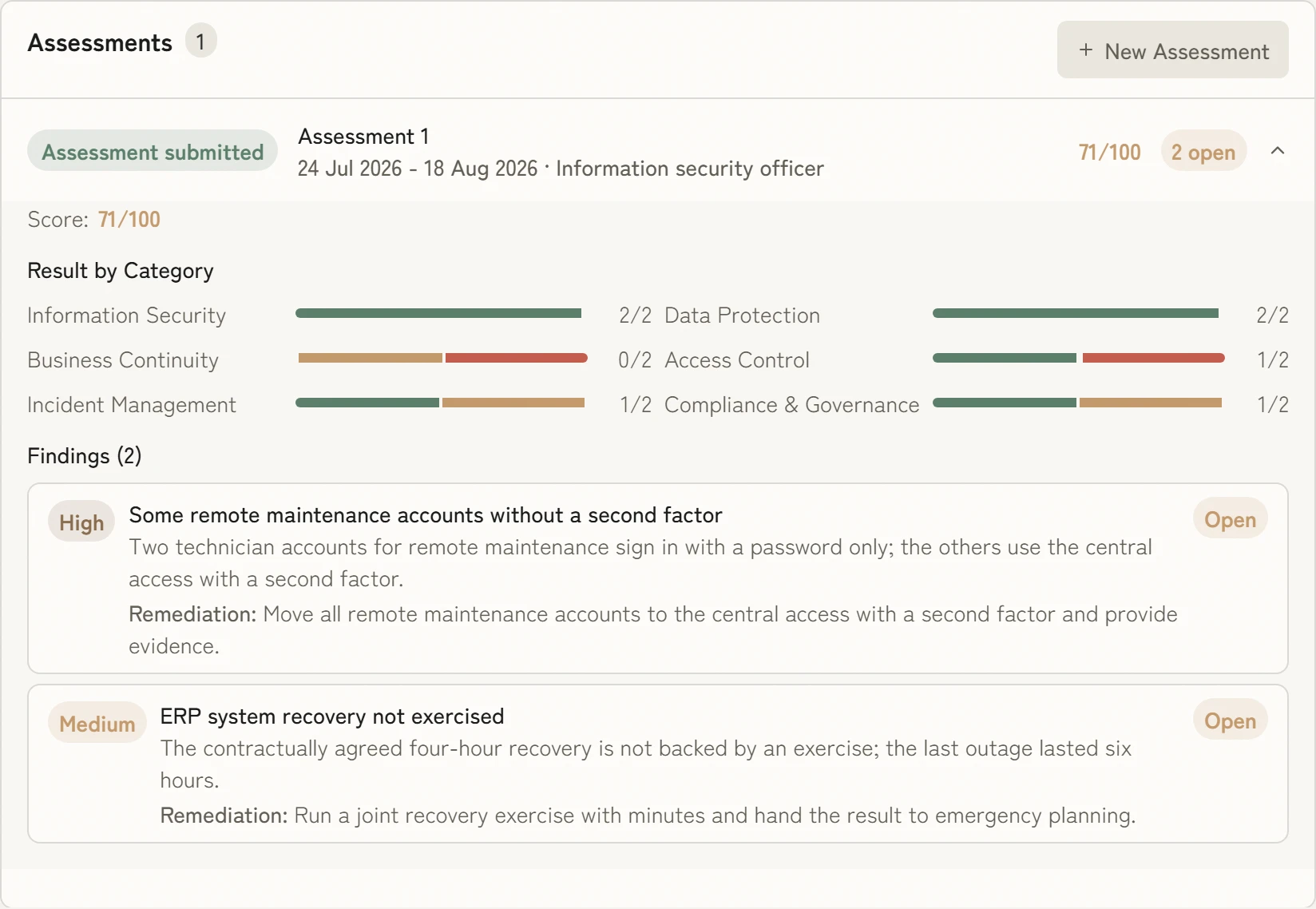
- Policy management
Distribute policies and collect acknowledgements in one step.
You release a version, send it to the right people and see who has acknowledged it and who has not. In the audit you show that list instead of digging through emails.
See the module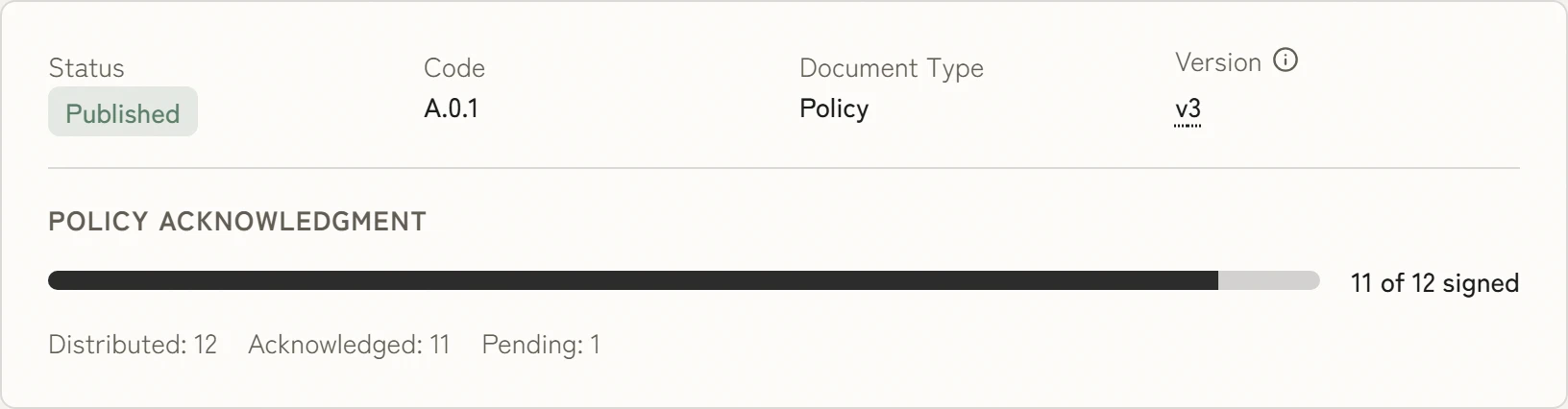
- Reporting
Every morning you see what the audit still needs.
Audit readiness, critical risks and open findings come live from your data, with the urgent tasks on top. Nobody builds slides for leadership anymore.
See the module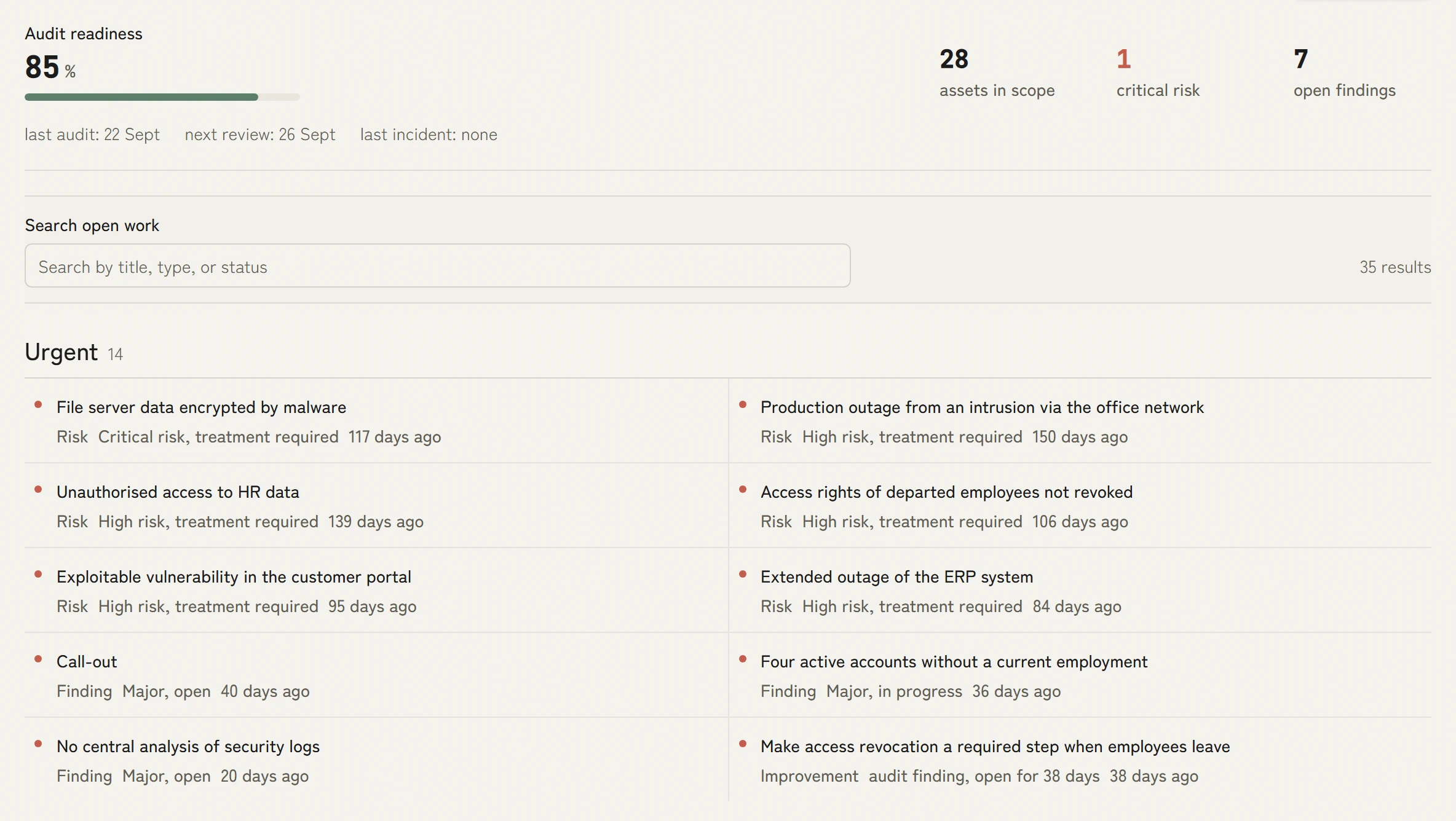
Import & check
Nobody retypes what is already in your systems.
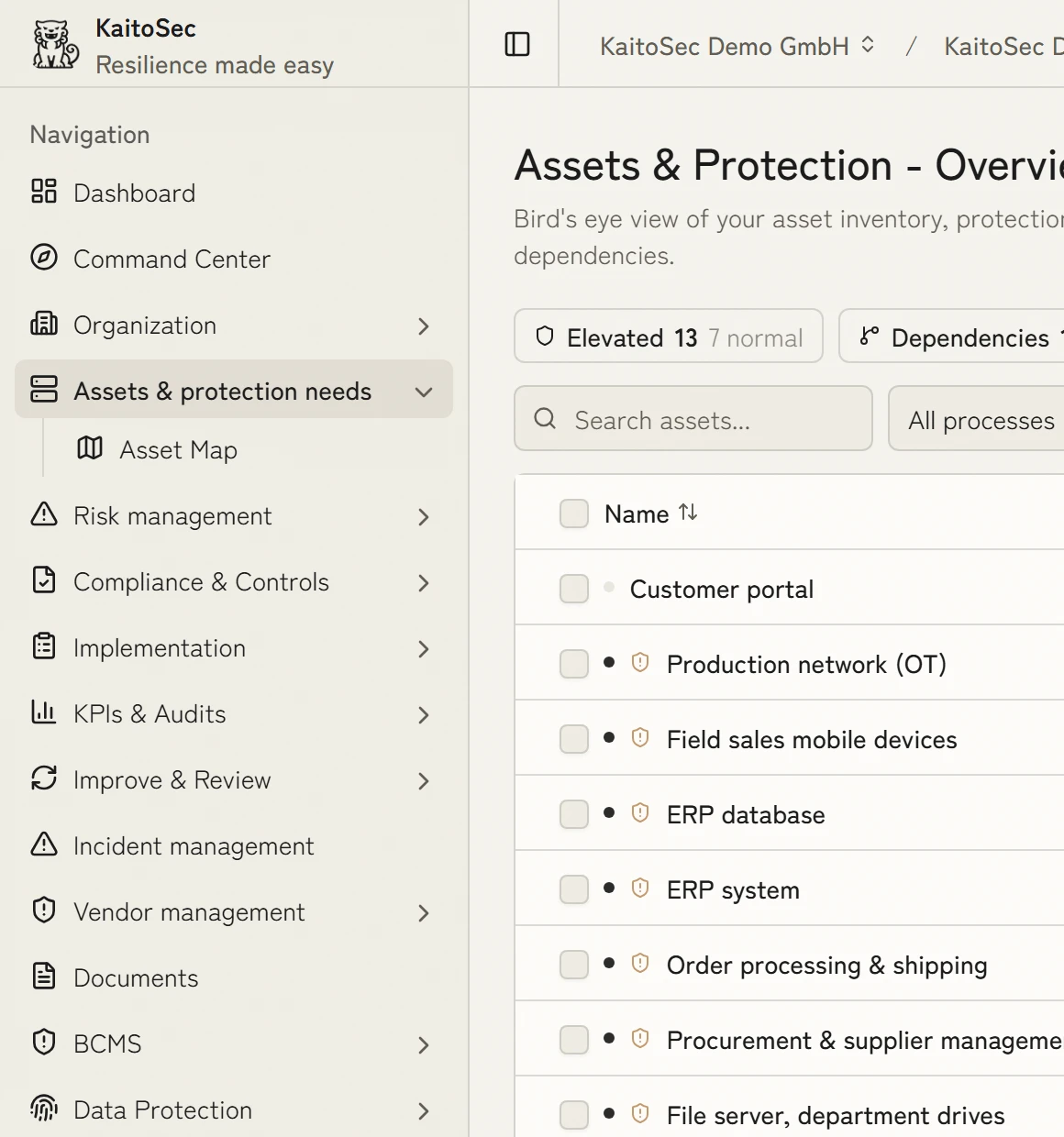
KaitoSec imports spreadsheets, GRC exports, identities, cloud, CMDB, monitoring and documents into one shared data model. It then checks the inventory against the method and turns every gap into a task with an owner and a date.
- Identity & HR


- CMDB & IT documentation


- Cloud platforms


- Monitoring & network


- Documents & collaboration


- API, import & export


KaitoSec
- ISMSInformation domain · protection needs
- GRCRegisters · risks · controls
- BCMSBIA · recovery plans
- DSMSPrivacy · RoPA · DPIA
- TPRMSuppliers · third-party risk
- AUDITAudits · evidence
- Identity & HR
- CMDB & IT documentation
- Cloud platforms
- Monitoring & network
- Documents & collaboration
- API, import & export
KaitoSec
- ISMSInformation domain · protection needs
- GRCRegisters · risks · controls
- BCMSBIA · recovery plans
- DSMSPrivacy · RoPA · DPIA
- TPRMSuppliers · third-party risk
- AUDITAudits · evidence
Make short work of it.
Without the right tool, an IT-Grundschutz build takes up to 800 hours. With KaitoSec, 192 remain.
The inventory comes from your systems, the requirements are already mapped to controls, and agents prepare protection needs, modelling and the risk analysis. Your team is left with the decisions.
608 hours less is 76 working days you do not pay for.
800 h · without KaitoSec
192 h remain
Create and group assets · −96 h
Determine protection needs · −64 h
Collect requirements · −64 h
Modelling (Grundschutz) · −96 h
IT-Grundschutz check · −176 h
Risk analysis · −112 h
A Grundschutz build of 800 hours, cut apart step by step. With KaitoSec 192 hours remain.
- Create and group assets: −96 h
- Determine protection needs: −64 h
- Collect requirements: −64 h
- Modelling (Grundschutz): −96 h
- IT-Grundschutz check: −176 h
- Risk analysis: −112 h
Capabilities
The work gets smaller.
Implemented once, done for every requirement.
More than 100 controls are already mapped to ISO 27001, NIS2, DORA and other requirements. You implement a control once and evidence it once. Every further requirement it covers costs no extra work.
You review and approve instead of filling empty fields.
Agents prepare the risk analysis, the statement of applicability and actions from audit reports. Every result is ready for approval. A person still makes the decision.
Nothing left to collect before the audit.
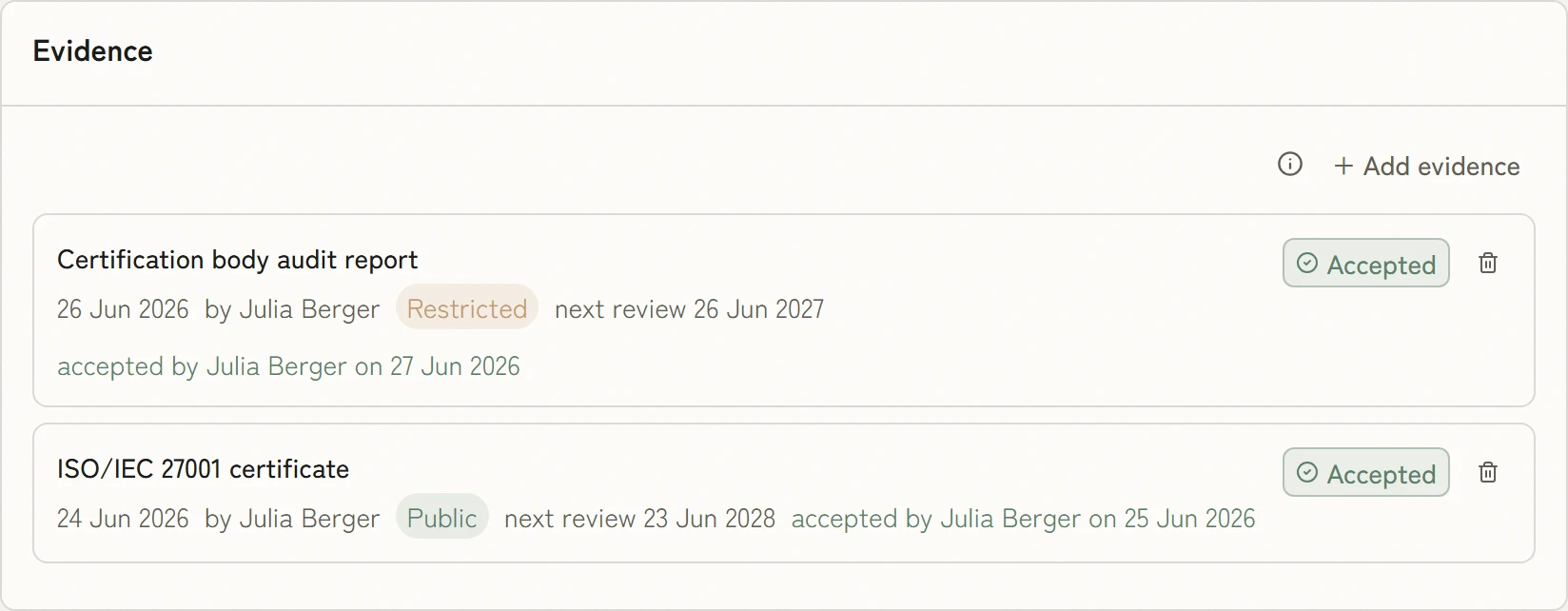
Evidence is created as the work gets done: a tested backup supplies its recovery time, a completed review its result. Your evidence is current every day, not just in the week before the audit.
Seven steps to an ISMS, no prior knowledge needed.
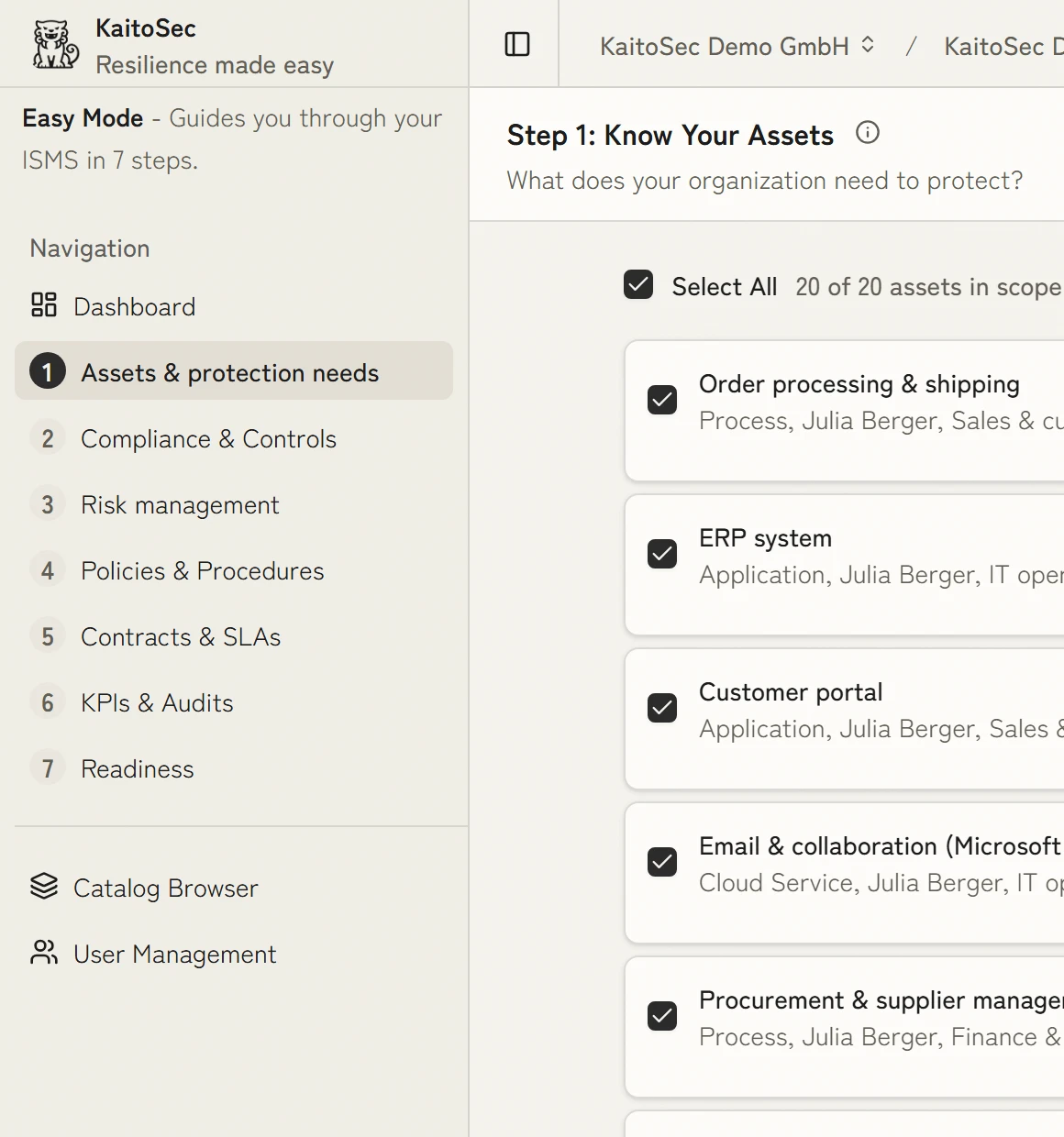
Simple mode takes your team through the ISMS in seven steps and says for every requirement what to do and why. Anyone who wants more detail switches to expert mode and sees the same data with references to the standard, applicability and linked risks.
You maintain each process only once.
Information security, business continuity management, data protection, AI governance and supplier management all work from the same process data. Every change takes effect in every system at once. Duplicate entry and conflicting registers go away.
Standards and management systems
New regulations build on what you already have.
When NIS2, DORA or the AI Act arrive, KaitoSec maps the new requirements to the controls you have already implemented. You close only what is missing and reuse the same evidence.
- 27001ISO 27001ISO/IEC 27001:2022
- BSIBSI IT-GrundschutzBSI standards 200-1 to 200-4
- CSF 2.0NIST CSFVersion 2.0
- AICPASOC 2SOC 2AICPA Trust Services Criteria
- TISAXVDA ISA 6
- 22301ISO 22301ISO 22301:2019
- NIS2Directive (EU) 2022/2555
- DORARegulation (EU) 2022/2554
- KRITISKRITIS-DGTransposes the CER Directive
- GDPRRegulation (EU) 2016/679
- 42001ISO 42001ISO/IEC 42001:2023
- EU AI ActRegulation (EU) 2024/1689
- BCMSBusiness Continuity ManagementBusiness impact analysis, recovery times per process, emergency handbook, recovery plans and exercises with evaluation, from the critical process to the rehearsed emergency.
- ISMSInformation securityAssets, protection needs, risks, controls, threat catalogues, security incidents and audits in one register, from the first inventory to the evidence.
- DSMSData protectionRecords of processing, data protection impact assessments, data processing agreements, data subject requests and data breaches, each with a deadline and an owner.
- AIMSAI governanceAI inventory, risk classification, impact assessment, logging and human oversight for every AI system you use or build yourself.
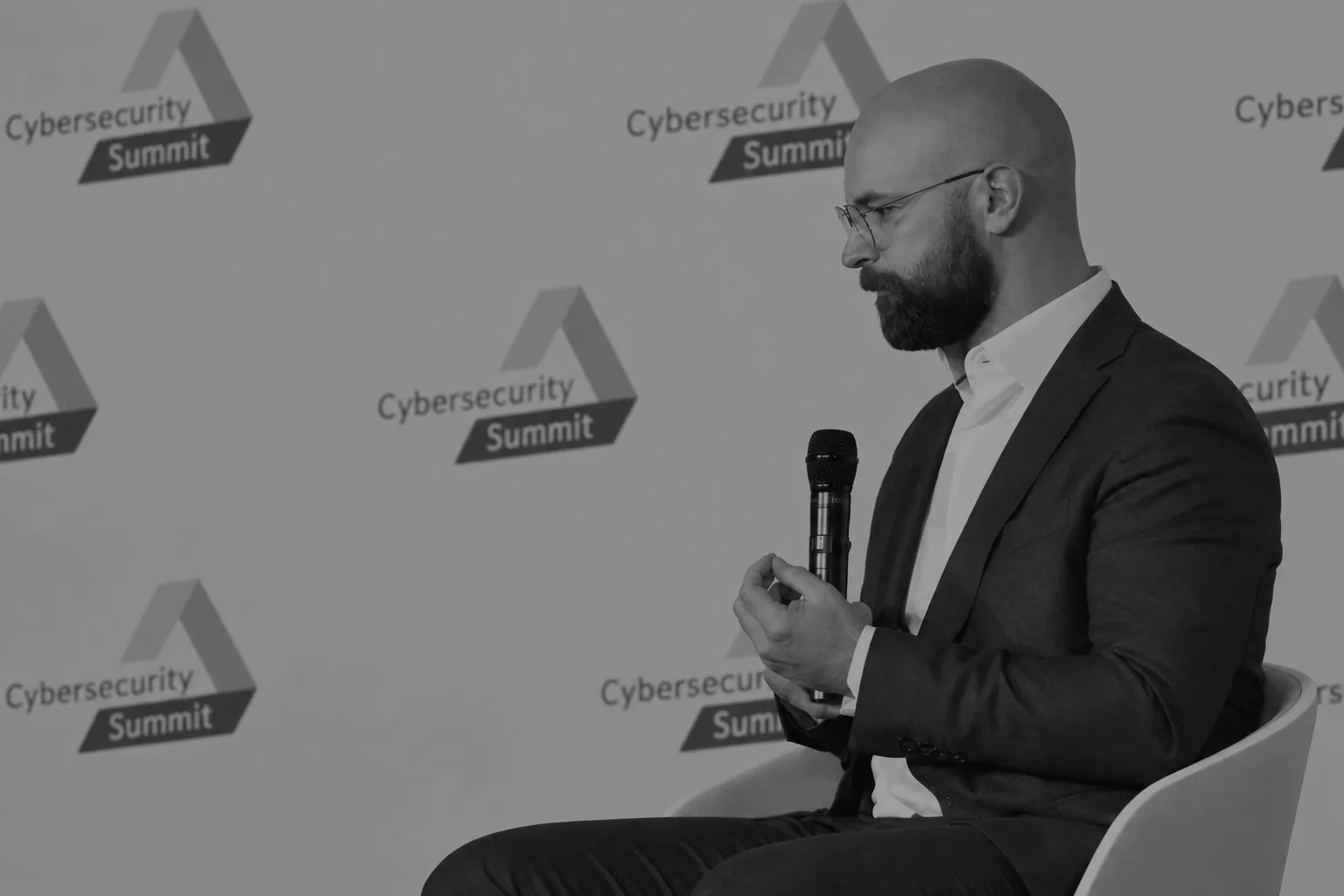
With KaitoSec we democratise cybersecurity by turning expert knowledge into knowledge the whole organisation can act on.
Early-access voices
What other teams no longer do by hand.

See how much work goes away.
Bring a real task from your ISMS. In 30 minutes we show which steps KaitoSec takes over and how many hours that saves.